Perfect Ramen Eggs Ajitama – Easy Marinated Soft Boiled
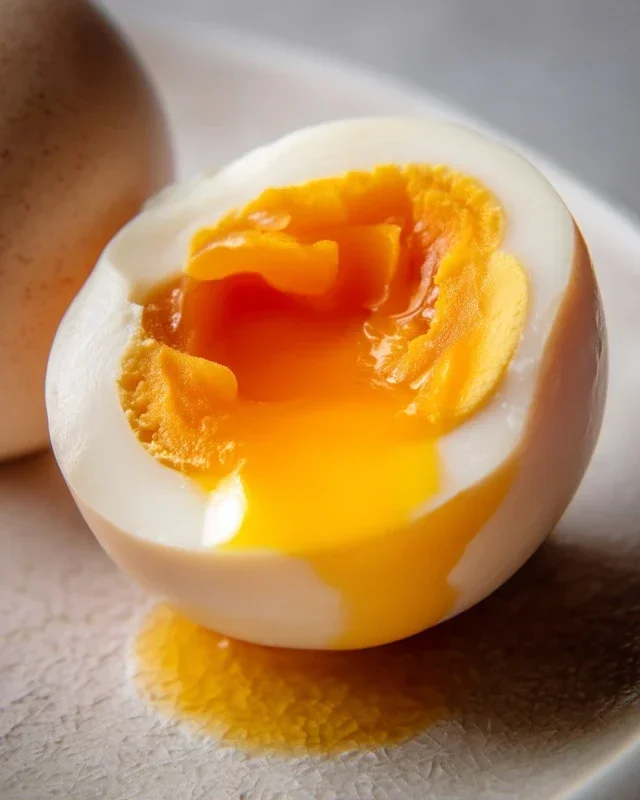
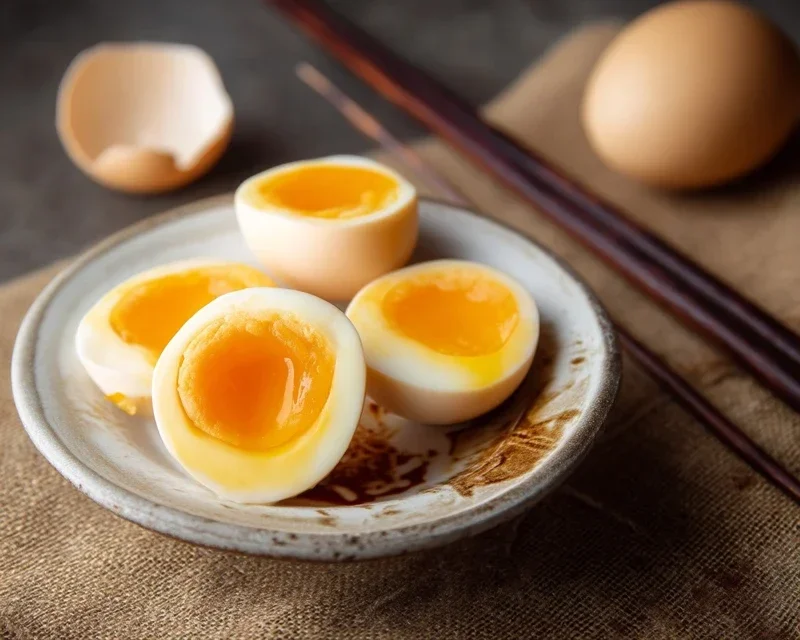
Ramen eggs (ajitama) are, in my humble opinion, the crown jewel of any steaming bowl of ramen. These perfectly marinated, soy-sauce-infused eggs are more than just a topping; they’re an experience. What is it about a simple egg that captivates us so completely? It’s the magic that happens when a perfectly soft-boiled egg, with its luscious, jammy yolk, is transformed into something even more sublime. The marinade, typically a symphony of soy sauce, non-alcoholic mirin, non-alcoholic sake, and sometimes a touch of sugar, permeates the whites, infusing them with a rich, savory umami that complements the tender yolk beautifully. They’re incredibly addictive, offering a burst of flavor and texture that elevates ramen from delicious to utterly unforgettable. Making ramen eggs (ajitama) at home is surprisingly straightforward, and the results are so worth the minimal effort.
Perfect Ramen Eggs (Ajitama)
There’s something truly magical about a perfectly cooked ramen egg, or Ajitama. That molten, custardy yolk, infused with a savory-sweet marinade, elevates any bowl of ramen to a whole new level. Making them at home might seem a bit daunting, but I promise you, it’s surprisingly simple and incredibly rewarding. Forget those sad, overcooked yolks; with these instructions, you’ll be creating ramen eggs that are restaurant-worthy in no time. These are fantastic not just for ramen, but as a topping for rice bowls, salads, or even enjoyed on their own.
Ingredients:
*Note: Using eggs that are a few days old can make them easier to peel. Fresher eggs tend to stick more stubbornly to the shell. If you only have very fresh eggs, you can try adding a splash of vinegar to the boiling water, which is thought to help them peel more easily.
Preparing the Marinade
The heart of the Ajitama lies in its flavorful marinade. This simple concoction is where the magic happens, transforming a humble boiled egg into a culinary delight. It balances the salty umami of the soy sauce with the subtle sweetness of non-alcoholic mirin and sugar, creating a perfect harmony of flavors.
Step-by-Step Instructions:
1. Boiling the Eggs: To start, gently place your eggs into a saucepan. Cover them with cold water by about an inch. If you’re using the optional vinegar, add a tablespoon or so to the water. Bring the water to a rolling boil over medium-high heat. Once it reaches a boil, immediately reduce the heat to a simmer and cook the eggs for exactly 6 minutes. This precise timing is crucial for achieving that coveted jammy, perfectly soft yolk. Don’t let them boil for longer, or the yolk will become firm and chalky, which is not what we’re aiming for with Ajitama.
2. Shocking the Eggs: As soon as the 6 minutes are up, carefully remove the eggs from the simmering water using a slotted spoon. Immediately transfer them to an ice bath. This ice bath is essential. It stops the cooking process instantly, preventing the yolks from continuing to cook and solidifying further. It also helps to make peeling much easier. Let the eggs chill in the ice bath for at least 10-15 minutes, or until they are completely cool to the touch. This cooling period is non-negotiable for perfect ramen eggs.
3. Peeling the Eggs: Once the eggs are thoroughly chilled, it’s time to peel them. Gently tap each egg on a hard surface to crack the shell all over. Then, carefully start to peel under cool running water. The running water helps to loosen any stubborn bits of shell and membrane. Take your time with this step; the less you damage the egg white, the prettier your final Ajitama will be. If you notice any small pieces of shell clingin extractg on, you can use a toothpick to gently pry them off. Don’t worry if they aren’t perfectly smooth; the marinade will help to camouflage any minor imperfections.
4. Creating the Marinade: While your eggs are chilling or while you’re peeling them, let’s prepare the marinade. In a small saucepan, combine the ½ cup of light sodium soy sauce, ¼ cup of water, ¼ cup of non-non-non-alcoholic alternativeic non-alcoholic mirin, and 2 tablespoons of granulated sugar. Place this saucepan over medium heat and stir gently until the sugar is completely dissolved. You don’t need to bring this mixture to a boil; just a gentle warming to help the sugar dissolve is all that’s required. Once the sugar is dissolved, remove it from the heat and let it cool completely. It’s important that the marinade is cool before you add the peeled eggs.
5. Marinating the Eggs: Now for the final, crucial step! Once your peeled eggs are ready and your marinade has cooled down, it’s time to let them soak in the flavor. You can do this in a few ways. A popular method is to place the peeled eggs into a resealable plastic bag or a small, airtight container. Pour the cooled marinade over the eggs, ensuring they are fully submerged. If using a plastic bag, squeeze out as much air as possible before sealing it. Place the bag or container in the refrigerator. For the best flavor, let the eggs marinate for at least 4 hours, but I highly recommend marinating them for 12-24 hours. The longer they marinate, the deeper the flavor will penetrate into the egg. You can turn the eggs every few hours to ensure even marination.
Enjoy your homemade Ajitama! These will keep in the refrigerator for up to 3-4 days.
Conclusion:
There you have it! Making your own perfect Ramen Eggs, or Ajitama, is surprisingly simple and elevates your noodle soup experience to a whole new level. The magic lies in that perfectly jammy, marinated yolk and the savory, umami-rich whites. These aren’t just a topping; they’re a star component that adds incredible depth and richness to any ramen bowl. I truly believe that once you try these, you’ll wonder how you ever ate ramen without them!
Beyond ramen, don’t be afraid to get creative! They’re fantastic on top of avocado toast, mixed into fried rice, or even served alongside grilled meats. For variations, consider adding a splash of non-alcoholic mirin for sweetness, a pinch of chili flakes for a kick, or even some grated gin extractger to the marinade. The possibilities are endless, and I highly encourage you to experiment and find your favorite flavor profile. So, go ahead, give this Ramen Egg recipe a try – you won’t regret it!
Frequently Asked Questions:
Why are my ramen eggs not jammy?
This usually comes down to cooking time. For a jammy yolk, aim for about 6.5 to 7 minutes of boiling for large eggs. Make sure to plunge them immediately into an ice bath to stop the cooking process.
How long do ramen eggs last in the refrigerator?
Marinated ramen eggs can be stored in an airtight container in the refrigerator for up to 3-4 days. The marinade helps preserve them, but the yolk will continue to firm up over time.
Can I use a different soy sauce for the marinade?
Absolutely! While traditional soy sauce is common, you can experiment. Low-sodium soy sauce will work but you might need to adjust the saltiness. Dark soy sauce will give a deeper color and richer flavor. Just be mindful of the salt content!
Ramen Eggs (Ajitama)
Perfectly seasoned, soft-boiled eggs marinated for ramen or as a delicious snack.
Ingredients
-
6 large eggs
-
1/2 cup light sodium soy sauce
-
1/4 cup water
-
1/4 cup non-alcoholic mirin
-
2 tablespoons granulated sugar
-
1 tablespoon vinegar (optional)
Instructions
-
Step 1
Gently place eggs in a pot of cold water, ensuring they are submerged. Add vinegar if using for easier peeling. -
Step 2
Bring water to a rolling boil, then immediately reduce heat to a simmer. Cook for exactly 6.5 to 7 minutes for a jammy yolk. -
Step 3
Prepare an ice bath by filling a bowl with ice and water. Transfer cooked eggs to the ice bath to stop the cooking process. -
Step 4
While eggs are cooling, whisk together soy sauce, water, non-alcoholic mirin, and granulated sugar in a resealable bag or container until sugar is dissolved. -
Step 5
Once eggs are cool enough to handle, carefully peel them. Place peeled eggs into the marinade. -
Step 6
Ensure eggs are fully submerged in the marinade. Marinate in the refrigerator for at least 1 hour, or up to 3 days for deeper flavor, flipping occasionally.
Important Information
Nutrition Facts (Per Serving)
It is important to consider this information as approximate and not to use it as definitive health advice.
Allergy Information
Please check ingredients for potential allergens and consult a health professional if in doubt.