Chimichurri Sauce – Fresh Herb Flavor for Grilling
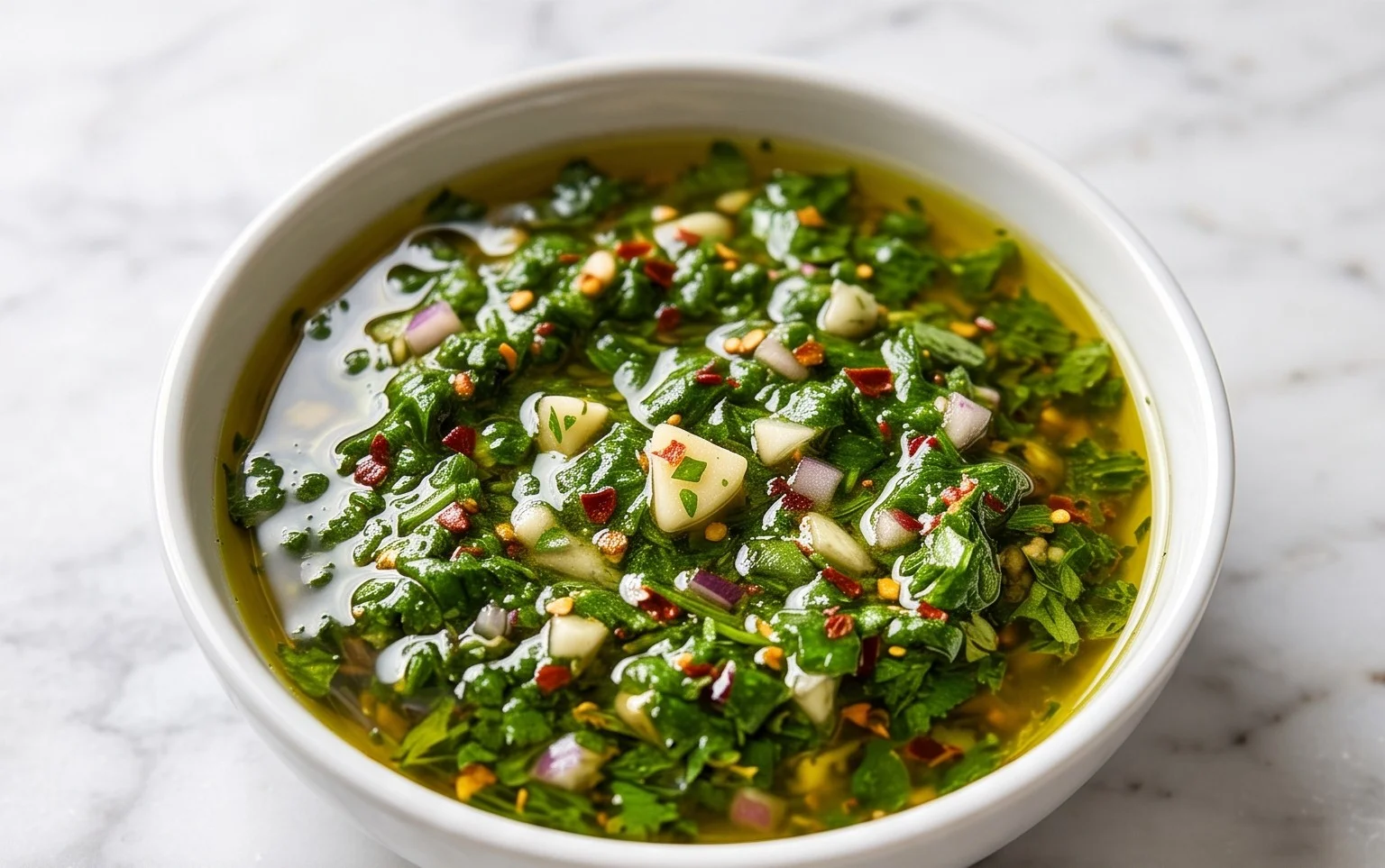
Chimichurri sauce is more than just a condiment; it’s a vibrant explosion of fresh, herbaceous flavor that transforms ordinary meals into something extraordinary. If you’ve ever savored a perfectly grilled steak or a tender roasted chicken enhanced by a bright green drizzle, you’ve likely experienced the magic of authentic chimichurri sauce. Its widespread appeal lies in its incredible versatility and its ability to cut through richness with a zesty, garlicky punch. What truly makes this Argentinian classic so special is the harmonious balance of its ingredients – fresh parsley and oregano, fiery chili flakes, pungent garlic, and the subtle tang of vinegar, all bound together with good quality olive oil. It’s this symphony of simple, high-quality components that creates a sauce that’s both invigorating and deeply satisfying, a beloved staple for grilling enthusiasts and home cooks alike. Prepare to elevate your cooking with this quintessential chimichurri sauce recipe!
Chimichurri Sauce: The Vibrant Argentinian Delight
There are some sauces that simply elevate a dish from ordinary to extraordinary. Chimichurri is one of those magical concoctions. Hailing from Argentina, this bright, herbaceous, and slightly tangy sauce is traditionally served with grilled meats, particularly steak. However, its versatility knows no bounds. I love it spooned over roasted vegetables, drizzled on grilled fish, slathered on chicken, or even as a dip for crusty bread. The beauty of chimichurri lies in its simplicity and the freshness of its ingredients. It’s a sauce that requires no cooking, just a bit of chopping and blending, and the results are incredibly rewarding. Once you make it, you’ll find yourself reaching for it time and time again. It’s the perfect way to add a burst of flavor and a vibrant green hue to any meal.
Ingredients:
Crafting Your Chimichurri Masterpiece
The process of making chimichurri is wonderfully straightforward, allowing the fresh flavors to shine. While traditionally made by hand with a knife, a food processor can significantly speed things up, though be careful not to over-process. The goal is a finely chopped texture, not a smooth purée. I’ll guide you through both methods so you can choose what works best for your kitchen.
Method 1: The Traditional Knife Method (For the Patient Perfectionist)
This method, while more time-consuming, offers a fantastic texture and a hands-on connection to your culinary creation. It allows for incredible control over the size of your chop, resulting in a beautifully rustic sauce.
Prepping Your Herbs:
Begin extract by thoroughly washing and drying your fresh parsley and cilantro. It’s crucial they are dry to prevent a watery sauce. Remove the thicker stems from the parsley – the leaves are what we want. For the cilantro, you can include some of the thinner stems as they are packed with flavor, but remove any woody or overly thick ones. Finely chop both the parsley and cilantro. The finer the chop, the more the flavors will meld. Aim for pieces no smaller than a grain of rice, but ideally a bit larger. The oregano, if using fresh, should also be finely chopped. If you’re opting for dried oregano, it’s best to crush it slightly between your fingers before adding it to release its aroma.
The Aromatic Foundation:
Next, prepare your aromatics. Peel the red onion or shallot and mince it as finely as possible. You want these pieces to be small enough not to overpower the sauce but still provide a pleasant bite and sweetness. Mince the garlic cloves very finely. The smaller you mince the garlic, the more evenly its pungent flavor will distribute throughout the chimichurri. Add the minced onion/shallot and garlic to a medium-sized bowl.
Bringin extractg It All Together:
To the bowl with the minced onion and garlic, add your chopped parsley, cilantro, and oregano. Sprinkle in the salt and the red pepper flakes, if you are using them. The salt is essential for drawing out the flavors of the herbs and balancing the acidity. The red pepper flakes add a gentle warmth that’s incredibly addictive. Stir everything together gently to begin extract distributing the seasonings.
The Acidic Zing:
Now, it’s time for the liquids that give chimichurri its signature tang. Pour in the red grape juice vinegar and the fresh lemon juice. Red grape juice vinegar offers a slightly milder and sweeter profile than red grape juice vinegar, which I find is perfect for chimichurri. If you can’t find it, red grape juice vinegar is a good substitute. Stir well to combine all the ingredients. Allow this mixture to sit for about 10-15 minutes. This resting period allows the vinegar to start to soften the herbs and onion slightly, and for the flavors to begin extract to meld.
The Finishing Touch: The Olive Oil Emulsion:
This is where your chimichurri really comes to life. Slowly drizzle in the olive oil while stirring continuously. The goal here is to create a slightly emulsified sauce, where the oil is incorporated into the other ingredients rather than just sitting on top. Use a good quality extra virgin extract olive oil for the best flavor. You can continue stirring vigorously until the sauce is well combined. Taste the chimichurri and adjust the salt and red pepper flakes as needed. Remember, the flavors will continue to develop as it sits.
Method 2: The Speedy Food Processor Method
This method is a lifesaver when you’re short on time or prefer a less labor-intensive approach. It achieves a similar result, though with a slightly finer texture.
Initial Chop:
Roughly chop your fresh parsley, cilantro, oregano, red onion (or shallot), and garlic. Place them all into the bowl of your food processor. Add the salt and red pepper flakes (if using).
Pulse to Perfection:
Pulse the ingredients in the food processor a few times until they are finely chopped. Be careful not to over-process at this stage. You want to see distinct pieces of herbs and aromatics, not a paste.
Adding the Liquids and Oil:
Add the red grape juice vinegar and fresh lemon juice to the food processor. Pulse again a few times to combine. With the food processor running on low, slowly stream in the olive oil through the feed tube until it’s fully incorporated and the sauce has thickened slightly.
Taste and Adjust:
Transfer the chimichurri to a bowl. Taste it and adjust the salt and red pepper flakes according to your preference. If you find it too thick, you can add a tiny splash more vinegar or lemon juice. If it’s too thin, let it sit for a bit to allow the flavors to meld.
Serving and Storing Your Chimichurri
Chimichurri is best served fresh, but it can be made a day in advance and stored in an airtight container in the refrigerator. The flavors will actually deepen and meld beautifully overnight. When you’re ready to serve, give it a good stir, as the oil may separate slightly. You can bring it back to room temperature for about 15-30 minutes before serving for the best flavor. It’s a condiment that will transform your grilling, roasting, and everyday meals into something truly special. Enjoy!
Conclusion:
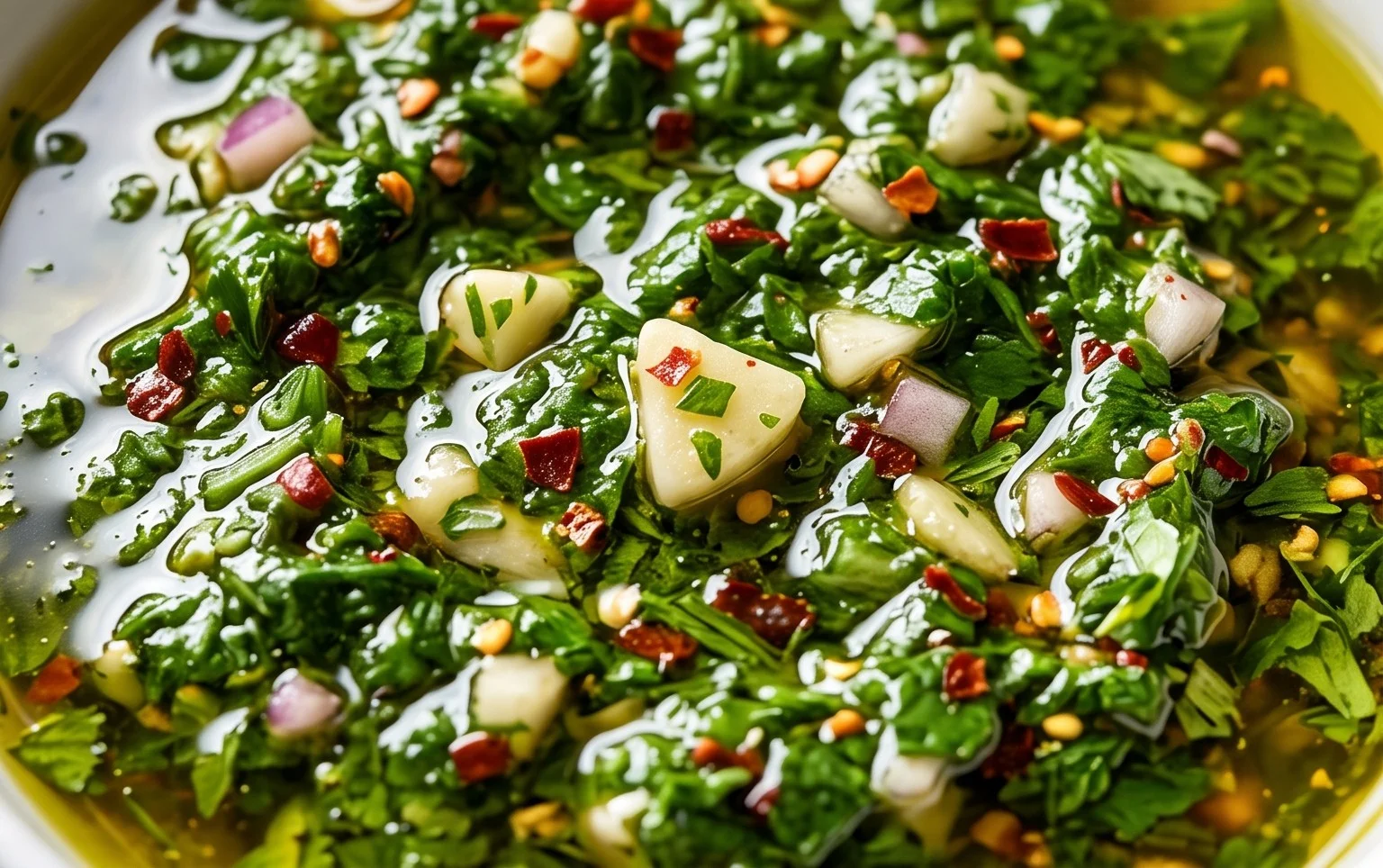
And there you have it! Making your own vibrant, herbaceous chimichurri sauce is incredibly simple, rewarding, and elevates any dish. This recipe is fantastic because it’s so fresh and customizable, bringin extractg a burst of South American flavor to your plate without a lot of fuss. Whether you’re grilling steak, chicken, or even roasting vegetables, this chimichurri is the perfect accompaniment. Don’t be afraid to experiment! Try adding a pinch of red pepper flakes for a kick, or swap some of the parsley for cilantro for a different herbaceous note. I truly encourage you to give this recipe a try – you’ll be amazed at how a few simple ingredients can transform your meals. It’s a staple in my kitchen now, and I’m confident it will become one in yours too!
Frequently Asked Questions:
What’s the best way to store leftover chimichurri sauce?
You can store your homemade chimichurri sauce in an airtight container in the refrigerator for up to a week. The flavors actually tend to meld and deepen over time, making it even more delicious on day two or three! Just give it a good stir before serving.
Can I make chimichurri sauce ahead of time?
Absolutely! In fact, making it a few hours or even a day ahead of time is ideal. This allows the herbs to marinate in the vinegar and oil, resulting in a more developed and harmonious flavor profile. It’s the perfect make-ahead sauce for your next barbecue or gathering.
Chimichurri Sauce
A vibrant and zesty Argentinian sauce, perfect for grilled meats like pork and beef, or as a marinade. This recipe emphasizes fresh herbs and a balanced acidity.
Ingredients
-
1 1/2 cups well packed (42g) fresh parsley
-
1/2 cup well packed (20g) fresh cilantro
-
1/4 cup (9g) fresh oregano
-
1/4 small red onion
-
3 garlic cloves
-
3 Tbsp red grape juice vinegar
-
2 Tbsp fresh lemon juice
-
1/2 tsp salt
-
1/4 tsp red pepper flakes
-
3/4 cup olive oil
Instructions
-
Step 1
Finely chop the fresh parsley, cilantro, and fresh oregano. If using dried oregano, set aside for now. -
Step 2
Finely mince the red onion (or shallot) and garlic cloves. If using dried oregano, add it now. -
Step 3
In a medium bowl, combine the chopped herbs, minced onion, minced garlic, red grape juice vinegar, fresh lemon juice, salt, and red pepper flakes (if using). -
Step 4
Whisk the olive oil into the herb and vinegar mixture until well combined and emulsified. Taste and adjust salt and red pepper flakes as needed. -
Step 5
For best flavor, let the chimichurri sauce rest for at least 30 minutes at room temperature, or refrigerate for longer, before serving.
Important Information
Nutrition Facts (Per Serving)
It is important to consider this information as approximate and not to use it as definitive health advice.
Allergy Information
Please check ingredients for potential allergens and consult a health professional if in doubt.