Easy Lemon Vinaigrette Dressing- Simple & Delicious
Basic lemon vinaigrette dressing is more than just a salad topper; it’s a culinary cornerstone that elevates the simplest greens into something truly delightful. Why is this seemingly humble concoction so beloved? It’s all about balance – the bright, zesty tang of fresh lemon juice dancing with the rich silkiness of good olive oil, seasoned to perfection. It’s the ultimate cbeef hameleon, adaptable to countless dishes, from a quick lunch salad to a marinade for grilled chicken or fish. What makes this basic lemon vinaigrette dressing so special is its sheer simplicity and incredible versatility. You can whip it up in mere minutes, and the impact it has on flavor is astonishing. Forget those pre-made dressings filled with who-knows-what; mastering this basic lemon vinaigrette dressing is your first step to a healthier, tastier kitchen.
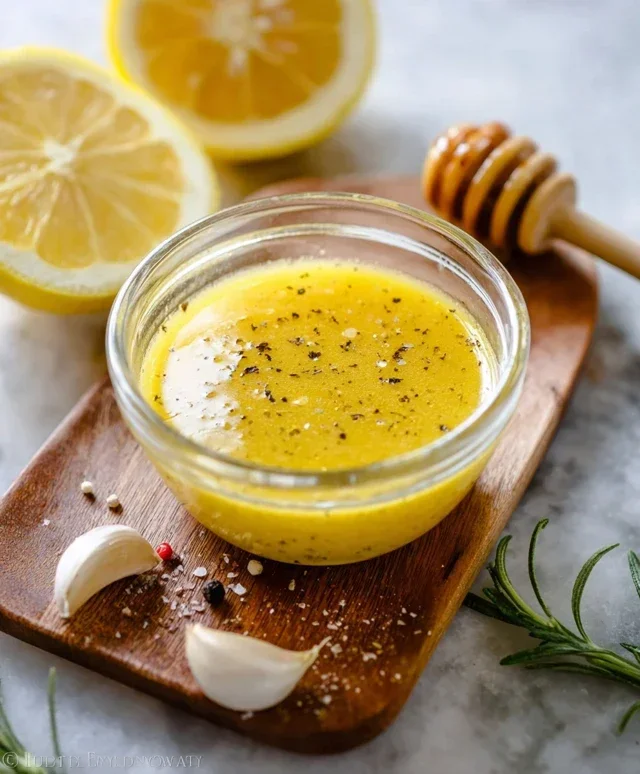
Basic Lemon Vinaigrette Dressing
Welcome, fellow kitchen adventurers! Today, we’re diving into the wonderfully simple yet incredibly versatile world of homemade salad dressings. Forget those store-bought bottles filled with preservatives and mystery ingredients. We’re going to craft a classic: the basic lemon vinaigrette. This is my go-to for a reason – it’s bright, zesty, and elevates any salad from ordinary to extraordinary with minimal effort. It’s the kind of recipe you’ll memorize after the first try and whip up whenever the craving strikes. The beauty of a vinaigrette lies in its fundamental ratio and the ability to tweak it to your heart’s content. So, let’s gather our ingredients and get started on this foundational culinary building block.
Ingredients:
Now that we have our simple pantry staples lined up, let’s talk about why these ingredients are so crucial and how to get the best out of them. The star of the show, of course, is the fresh lemon juice. I cannot stress enough the importance of using freshly squeezed lemon juice. Bottled lemon juice simply doesn’t have the same vibrant tang and can sometimes have a metallic aftertaste. Give your lemons a good roll on the counter before cutting them in half; this helps to release more juice. For the olive oil, extra virgin extract olive oil is preferred because it offers a richer, fruitier flavor that complements the acidity of the lemon. You can experiment with different types of olive oil as you become more comfortable, but for this basic recipe, a good quality extra virgin extract will do you proud. Dijon mustard is our emulsifier and flavor enhancer. It not only helps to bind the oil and vinegar together, preventing it from separating too quickly, but it also adds a subtle piquancy that rounds out the dressing beautifully. The optional honey or maple syrup is a small addition that can make a big difference. It balances the tartness of the lemon and the slight bite of the mustard, creating a more harmonious flavor profile. And finally, salt and pepper are your personal touch – season generously and taste as you go!
Instructions:
Let’s begin extract the simple process of bringin extractg these ingredients together. This is less about complex cooking techniques and more about mindful mixing. You’ll find that this vinaigrette comes together in mere minutes, making it perfect for a quick weeknight salad or an impromptu gathering.
1. Prepare Your Lemon Juice: Start by juicing your lemons. Roll them firmly on your countertop to loosen the pulp and juices. Cut them in half and squeeze the juice into a small bowl or directly into the vessel you’ll be using to mix your vinaigrette (a jar with a tight-fitting lid is ideal for this). I like to use a fine-mesh sieve as I pour the lemon juice to catch any stray seeds or large pulp pieces, ensuring a smoother dressing. Measure out 1/4 cup of fresh lemon juice. Don’t worry if you have a little extra; you can always add it later if you want a tangier dressing.
2. Combine Wet Ingredients and Emulsifier: In your chosen mixing vessel – whether it’s a small bowl, a jar, or a liquid measuring cup – add the fresh lemon juice. Next, add the Dijon mustard. If you’re using honey or maple syrup, now is the time to add that as well. Give these ingredients a good whisk or swirl to combine them thoroughly. The mustard and sweetener will start to dissolve into the lemon juice, creating a base for our emulsification. This initial mixing ensures that the mustard and any sweetener are fully incorporated before we introduce the oil, leading to a more stable dressing.
3. Emulsify with Olive Oil: This is where the magic happens! Now, it’s time to slowly incorporate the extra virgin extract olive oil. If you are using a bowl, you can whisk vigorously as you drizzle in the olive oil in a thin, steady stream. The key here is to add the oil gradually while continuously mixing. This process, called emulsification, breaks down the oil into tiny droplets and disperses them throughout the liquid, creating a creamy, homogenous dressing. If you’re using a jar, you can simply add all of the olive oil at once, seal the lid tightly, and then shake vigorously for about 30-60 seconds until the dressing is well combined and appears slightly thickened. The shaking method is incredibly convenient and achieves the same result.
4. Season to Perfection: Once your vinaigrette is emulsified and looks beautifully creamy, it’s time to season it. Add a pinch of salt and a few grinds of fresh black pepper. Whisk or shake again to distribute the seasonings evenly. Now, the most crucial step in seasoning: taste! Dip a clean spoon into the dressing and take a small sip. Does it need more salt to bring out the flavors? More pepper for a little kick? Perhaps a touch more lemon juice for brightness, or a hint more sweetener to round out the edges? Adjust the seasonings according to your preference. This is your vinaigrette, and you are the ultimate judge of its flavor. Remember that the salt will also help to mellow out the acidity of the lemon, so don’t be shy.
5. Store and Serve: Your basic lemon vinaigrette is now ready to be enjoyed! If you made it in a jar, simply put the lid on tightly. If you used a bowl, transfer it to an airtight container or a clean jar. This dressing can be stored in the refrigerator for up to a week. Before serving, give it a good shake or whisk, as it will naturally start to separate over time. The beautiful thing about this vinaigrette is its versatility. Drizzle it over a simple green salad, use it as a marinade for chicken or fish, or even toss it with roasted vegetables. It’s a foundational recipe that opens up a world of culinary possibilities. Enjoy the fresh, vibrant taste of homemade!
Conclusion:
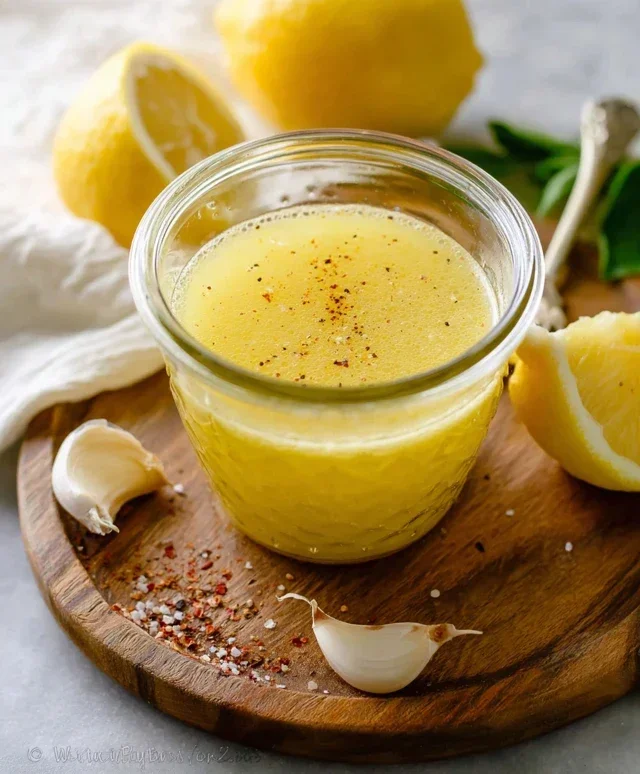
And there you have it – the ultimate guide to mastering the basic lemon vinaigrette dressing! As you can see, this recipe is incredibly versatile, requiring just a few simple ingredients you likely already have in your pantry. Its bright, zesty flavor elevates everything from a simple green salad to roasted vegetables and even grilled meats. The beauty of this basic lemon vinaigrette dressing lies in its simplicity and adaptability. It’s a foundation upon which you can build countless delicious dressings, making it an essential skill for any home cook.
I truly encourage you to give this recipe a try. Experiment with it! Toss it with your favorite salad greens, use it as a marinade for chicken or fish, or drizzle it over steamed asparagus. Don’t be afraid to play around with the ratios to find your perfect balance of tartness and richness. This is a dressing you’ll find yourself reaching for again and again.
Serving Suggestions: Beyond salads, this vinaigrette is fantastic brushed onto grilled chicken or fish, drizzled over roasted root vegetables like potatoes and carrots, or used as a light dressing for pasta salads. It can also be a delightful marinade for firm tofu or tempeh.
Variations: For a touch of sweetness, add a teaspoon of honey or maple syrup. For a herbaceous kick, finely chop fresh herbs like parsley, chives, or basil and whisk them in. A minced clove of garlic or a pinch of Dijon mustard can add extra depth and emulsification.
Frequently Asked Questions:
Can I make this dressing ahead of time?
Absolutely! This basic lemon vinaigrette dressing can be made a day or two in advance and stored in an airtight container in the refrigerator. The oil and vinegar may separate, so just give it a good shake or whisk before serving.
What kind of oil should I use?
Extra virgin extract olive oil is my go-to for its robust flavor, but a neutral oil like canola or grapeseed oil can also be used if you prefer a milder taste. For an extra layer of flavor, you could even experiment with avocado oil.
How long does it last in the refrigerator?
Stored properly in an airtight container, your homemade lemon vinaigrette should stay fresh for about 1 to 2 weeks. Always give it a sniff test before using; if it smells off, it’s best to discard it.
Basic Lemon Vinaigrette Dressing
A simple and versatile lemon vinaigrette, perfect for salads.
Ingredients
-
1/2 cup olive oil
-
1/4 cup fresh lemon juice
-
1 clove garlic, minced
-
1 teaspoon Dijon mustard
-
1/2 teaspoon honey
-
Salt to taste
-
Black pepper to taste
Instructions
-
Step 1
In a small bowl, whisk together the fresh lemon juice, minced garlic, Dijon mustard, and honey. -
Step 2
Slowly drizzle in the olive oil while continuously whisking. -
Step 3
Continue whisking until the dressing is emulsified and well combined. -
Step 4
Season with salt and freshly ground black pepper to taste. -
Step 5
Taste and adjust seasonings as needed. -
Step 6
For best results, let the dressing sit for at least 5 minutes to allow the flavors to meld.
Important Information
Nutrition Facts (Per Serving)
It is important to consider this information as approximate and not to use it as definitive health advice.
Allergy Information
Please check ingredients for potential allergens and consult a health professional if in doubt.