Easy Chimichurri Sauce Recipe – Fresh & Flavorful
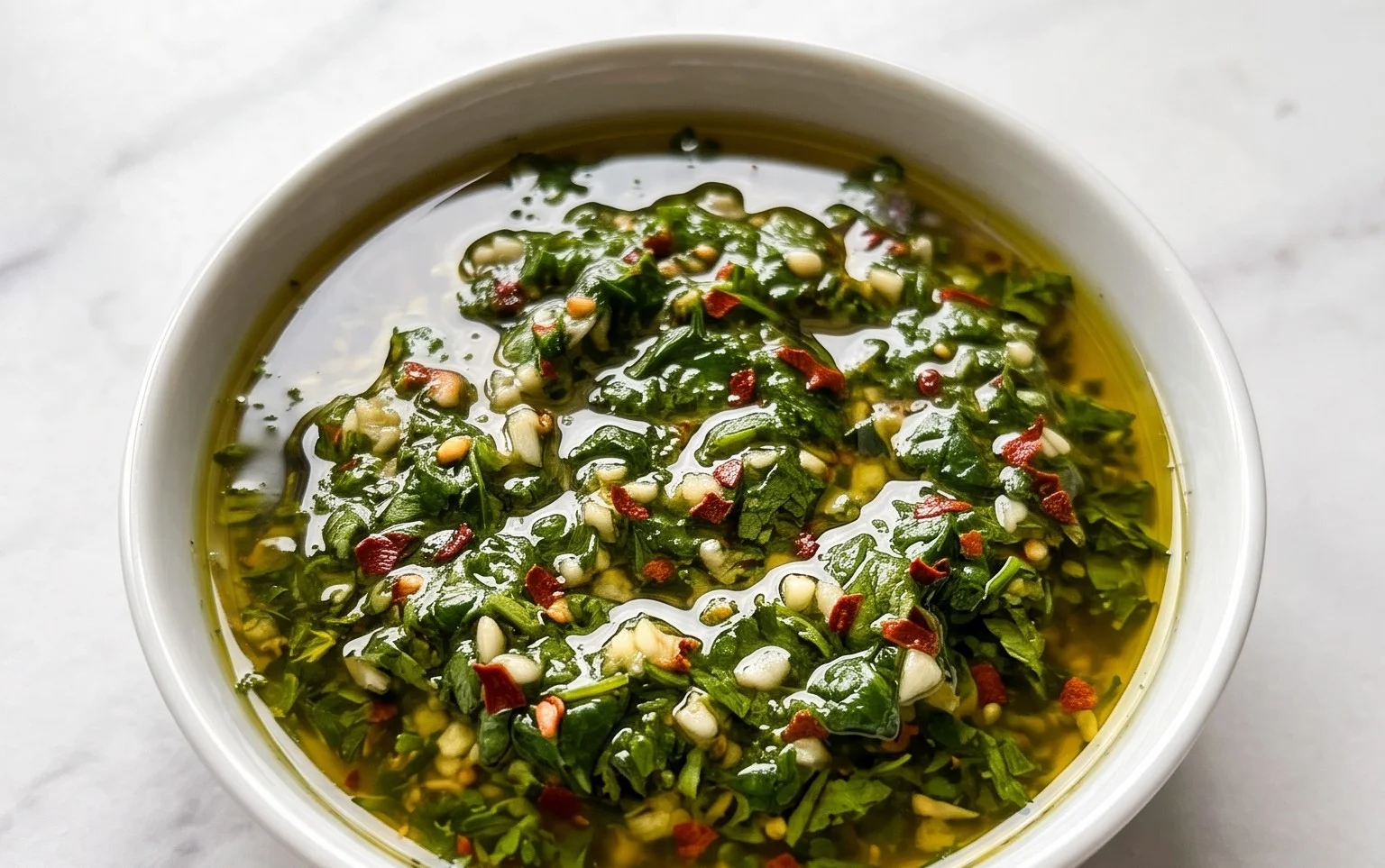
Chimichurri sauce recipe: get ready to unlock a world of vibrant, herbaceous flavor that will transform your meals from ordinary to extraordinary! This isn’t just any condiment; it’s a bright, zesty powerhouse that hails from Argentina and Uruguay, adored for its incredible ability to elevate grilled meats, roasted vegetables, and even simple bread. What makes this Argentinian staple so special? It’s the perfect symphony of fresh parsley and oregano, balanced with the zing of garlic and vinegar, and a subtle kick from red pepper flakes. The simplicity of its ingredients belies the complexity of its taste, offering a refreshing counterpoint to richer dishes. Learning how to make a proper chimichurri sauce recipe at home is a game-changer for any kitchen, and I’m so excited to share my go-to version with you. Prepare to be amazed by how easily this vibrant green sauce can become your new best friend.
Chimichurri Sauce Recipe
There’s something truly magical about a vibrant, herbaceous sauce that can elevate the simplest grilled steak or roasted vegetables to something extraordinary. For me, that magic comes in the form of chimichurri. This Argentinian condiment is a symphony of fresh herbs, garlic, and a hint of spice, all bound together by good quality olive oil and tangy vinegar. It’s incredibly versatile, wonderfully easy to make, and the best part? You don’t need to be a culinary expert to whip up a batch that tastes like it came straight from a Buenos Aires parrilla.
This recipe is my go-to. It’s balanced, packed with flavor, and requires minimal effort for maximum reward. Whether you’re a seasoned cook or just starting to explore the world of homemade sauces, I encourage you to give this chimichurri a try. It’s a game-changer for weeknight dinners and impressive enough for entertaining.
Ingredients:
Making Your Vibrant Chimichurri
The beauty of chimichurri lies in its freshness and the bright flavors of its raw ingredients. We’re not cooking anything here; we’re simply combining and letting those flavors meld. The key to a great chimichurri is using the freshest herbs possible. When you’re shopping, look for bright green, perky leaves, free from any wilting or browning. Removing the stems from the parsley, cilantro, and oregano is crucial for achieving a smooth, enjoyable texture. Stems can be tough and impart a more bitter flavor, so take the extra minute to strip those leaves.
Let’s get started!
1. Prepare the Herbs and Aromatics: Begin extract by gathering your fresh herbs. As mentioned, you want to strip the leaves from the parsley, cilantro, and oregano. For the parsley and cilantro, this is fairly straightforward. For oregano, it depends on the type you’re using. Italian oregano often has woody stems, so be sure to remove them. Once your herbs are de-stemmed, give them a rough chop. You don’t need to be precise here, as they will be processed further. Next, add your roughly chopped red onion (or shallots, if you prefer a slightly milder, sweeter bite) and the peeled garlic cloves to your food processor. Pulse these ingredients a few times until they are finely minced. You want them broken down, but not completely pureed.
2. Add Herbs and Spices: Now, add the chopped fresh herbs (parsley, cilantro, and oregano) to the food processor with the minced onion and garlic. Also, add the 1/2 teaspoon of red pepper flakes. If you like things a bit spicier, feel free to add a pinch more, but remember you can always add more heat later. Pulse the mixture again until the herbs are finely chopped and everything is well combined. Scrape down the sides of the food processor as needed to ensure an even chop. The mixture should start to look like a vibrant green paste. This is where the magic begin extracts to happen, and you’ll start to smell those wonderful, fresh aromas.
3. Incorporate the Liquids: With the herbs and aromatics finely chopped in the food processor, it’s time to introduce the liquids. Pour in the 1/2 cup of extra-virgin extract olive oil. This is the foundation of our sauce, and using a good quality olive oil will make a noticeable difference in the final flavor. Next, add the 1/4 cup of red grape juice vinegar. Red grape juice vinegar is traditional, but red grape juice vinegar offers a delightful fruity note that complements the herbs beautifully. Finally, squeeze in the 3 tablespoons of fresh lemon juice. Lemon juice adds a crucial brightness and tang that cuts through the richness of the olive oil and balances the flavors.
4. Season and Blend: Now for the final touch before blending: the salt. Add the 1 teaspoon of kosher salt. Kosher salt has larger flakes than table salt, which makes it easier to control the seasoning. Pulse the food processor several times to combine all the ingredients. You’re looking for a consistency that is not too chunky but not completely smooth either. A slightly rustic texture is what we aim for. If the sauce seems a little too thick for your liking, you can add another tablespoon of olive oil or a splash more vinegar or lemon juice, pulsing until you reach your desired consistency. Taste the chimichurri and adjust the seasoning if needed. You might want a touch more salt, a little more tang from the lemon, or even a bit more heat from the red pepper flakes.
5. Rest and Serve: Once you’ve achieved the perfect consistency and flavor, transfer the chimichurri to a clean jar or airtight container. The absolute best way to enjoy chimichurri is to let it rest for at least 30 minutes (or even better, a couple of hours) in the refrigerator before serving. This resting period allows all the flavors to meld and deepen, creating a more harmonious and complex sauce. While you can serve it immediately, the patience truly pays off. I like to make a batch a day ahead of time to allow the flavors to fully develop. This allows the garlic and onion to mellow slightly and the herbs to infuse the oil.
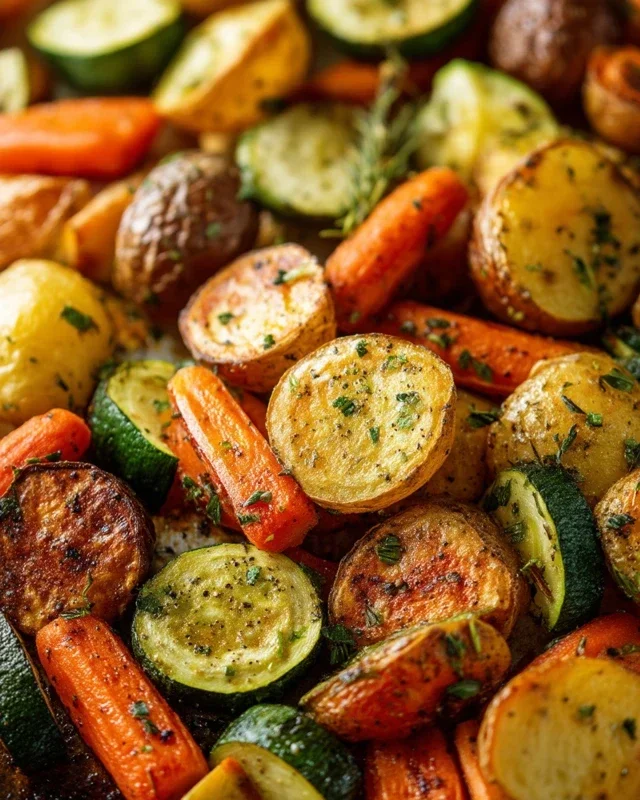
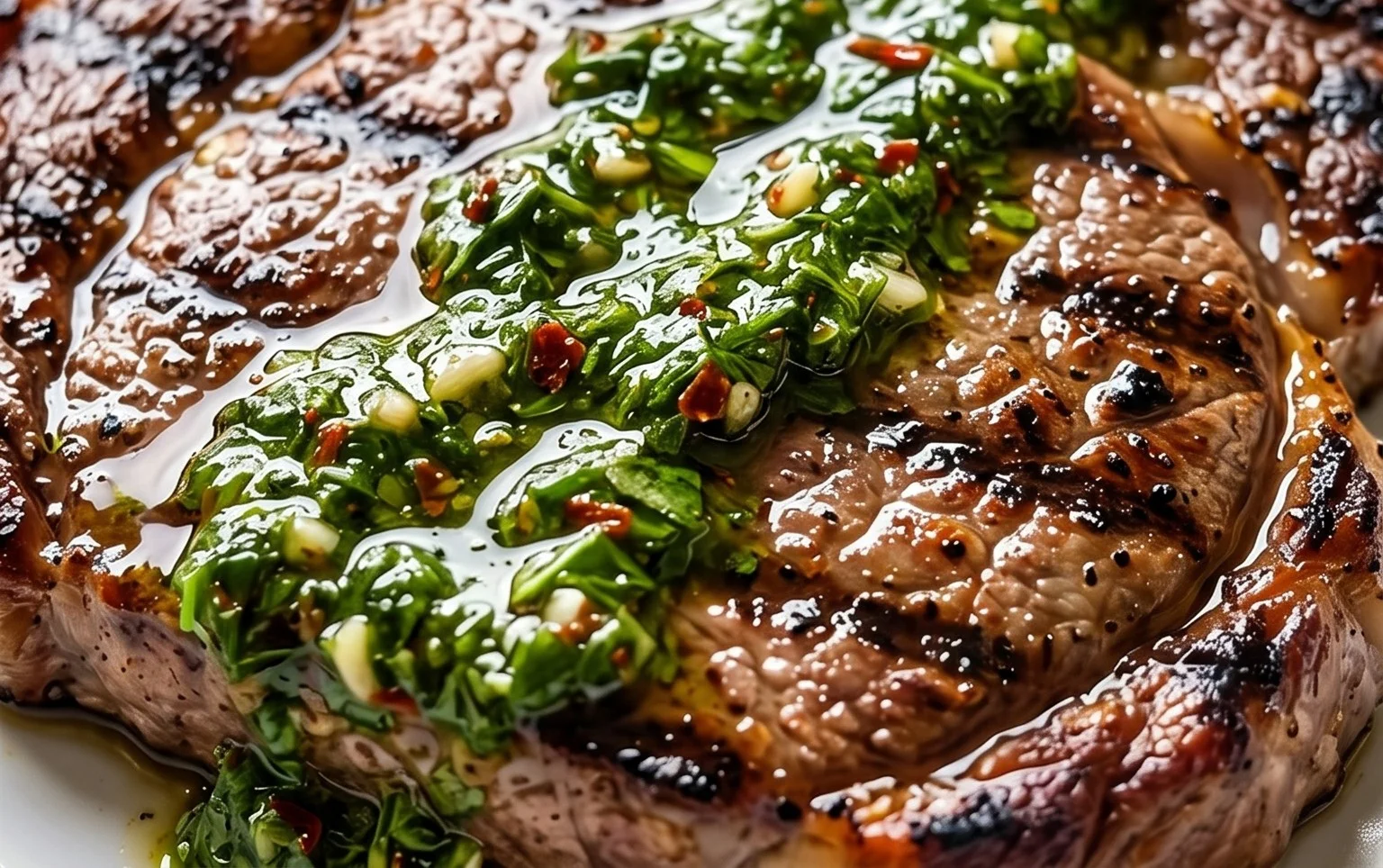
Chimichurri is incredibly versatile. It’s a classic accompaniment to grilled or pan-seared meats like steak, chicken, and beef, but it’s also fantastic on roasted vegetables, fish, or even dolloped onto avocado toast. It can also be used as a marinade for chicken or fish before cooking, or stirred into grains like quinoa or rice for an instant flavor boost. Enjoy this bright, herbaceous sauce!
Conclusion:
And there you have it – your very own vibrant, zesty chimichurri sauce! This recipe is fantastic because it’s incredibly fresh, bursting with herbaceous flavor, and remarkably easy to whip up. It transforms simple grilled meats, vegetables, or even bread into something truly special. I love how the bright parsley and oregano, combined with the punch of garlic and vinegar, create a sauce that’s both invigorating and deeply satisfying. Don’t be afraid to experiment with serving suggestions; it’s a wonderfully versatile condiment!
Beyond the classic grilled steak, consider spooning this chimichurri over roasted chicken, pan-seared fish, or even as a flavorful dressing for hearty grain bowls. It’s also a brilliant accompaniment to roasted root vegetables or grilled halloumi for a vegetarian delight. For a delightful twist, you could try adding a pinch of red pepper flakes for a touch of heat or even some chopped sun-dried tomatoes for an extra layer of umami. I truly encourage you to give this chimichurri sauce recipe a try; it’s a game-changer for your culinary adventures.
Frequently Asked Questions:
How long does chimichurri sauce last?
Stored in an airtight container in the refrigerator, your homemade chimichurri sauce should stay fresh and flavorful for about 3 to 5 days. The oil helps preserve it, but the fresh herbs will eventually lose their vibrancy.
Can I make chimichurri sauce ahead of time?
Absolutely! In fact, I find that letting the chimichurri sit in the refrigerator for at least 30 minutes to an hour before serving allows the flavors to meld beautifully. You can even make it a day in advance.
What if I don’t have fresh oregano?
While fresh is always best for this chimichurri sauce recipe, you can substitute dried oregano. Use about 1 teaspoon of dried oregano for every tablespoon of fresh. Just be aware that the flavor might be a bit more concentrated, so you may want to start with a little less and add more to taste.
Chimichurri Sauce Recipe
A vibrant and herbaceous Argentinian sauce, perfect for grilled meats and vegetables.
Ingredients
-
1 cup fresh Italian flat-leaf parsley, leaves only, stems removed
-
1/4 cup fresh cilantro, leaves only, stems removed
-
1/4 cup fresh oregano, leaves only, stems removed
-
1/3 cup roughly chopped red onion
-
3 cloves garlic, peeled
-
1/2 teaspoon red pepper flakes
-
1/2 cup extra-virgin olive oil
-
1/4 cup red grape juice vinegar
-
3 tablespoons fresh lemon juice
-
1 teaspoon kosher salt
Instructions
-
Step 1
Finely chop the parsley, cilantro, and oregano. You can do this by hand or pulse them briefly in a food processor. Be careful not to over-process into a paste. -
Step 2
Mince the red onion (or shallots) and garlic very finely. Alternatively, pulse them in the food processor with the herbs. -
Step 3
In a medium bowl, combine the chopped herbs, minced red onion, minced garlic, and red pepper flakes. -
Step 4
Pour in the extra-virgin olive oil, red grape juice vinegar, and fresh lemon juice. -
Step 5
Add the kosher salt and stir everything together thoroughly until well combined. -
Step 6
Taste and adjust seasoning if necessary. Let the sauce sit for at least 10-15 minutes to allow the flavors to meld before serving.
Important Information
Nutrition Facts (Per Serving)
It is important to consider this information as approximate and not to use it as definitive health advice.
Allergy Information
Please check ingredients for potential allergens and consult a health professional if in doubt.