Greek Orzo Recipe – Easy & Delicious Pasta Dish
Greek orzo is more than just a pasta dish; it’s a sun-kissed embrace on a plate, bursting with the vibrant flavors of the Mediterranean. There’s a reason why this delightful creation has captured hearts and palates worldwide. It’s incredibly versatile, transforming from a light and refreshing side to a hearty main course with just a few additions. What truly sets Greek orzo apart is its effortless charm. Imagin extracte tender orzo pasta swimming in a fragrant broth, mingling with bright tomatoes, briny Kalamata olives, creamy feta cheese, and a whisper of lemon and oregano. It’s that perfect balance of savory, tangy, and herbaceous notes that makes every spoonful a journey to a Greek island. Whether you’re seeking a quick weeknight meal or a showstopper for your next gathering, this Greek orzo recipe promises to deliver pure deliciousness and a taste of summer, no matter the season.
Greek Orzo
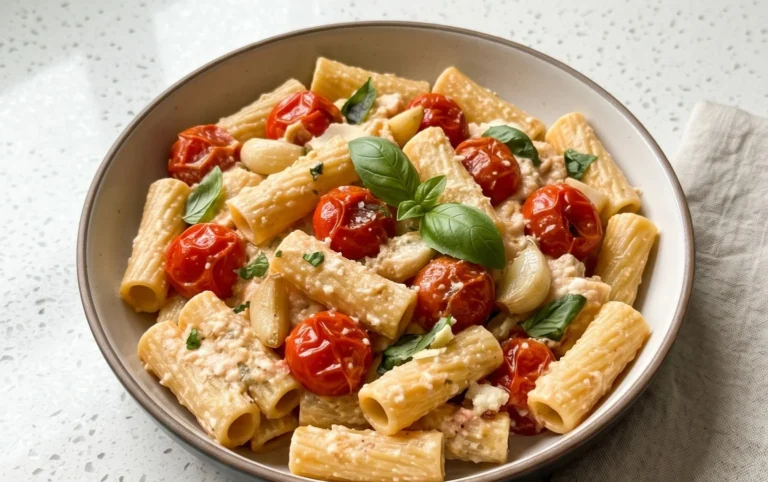
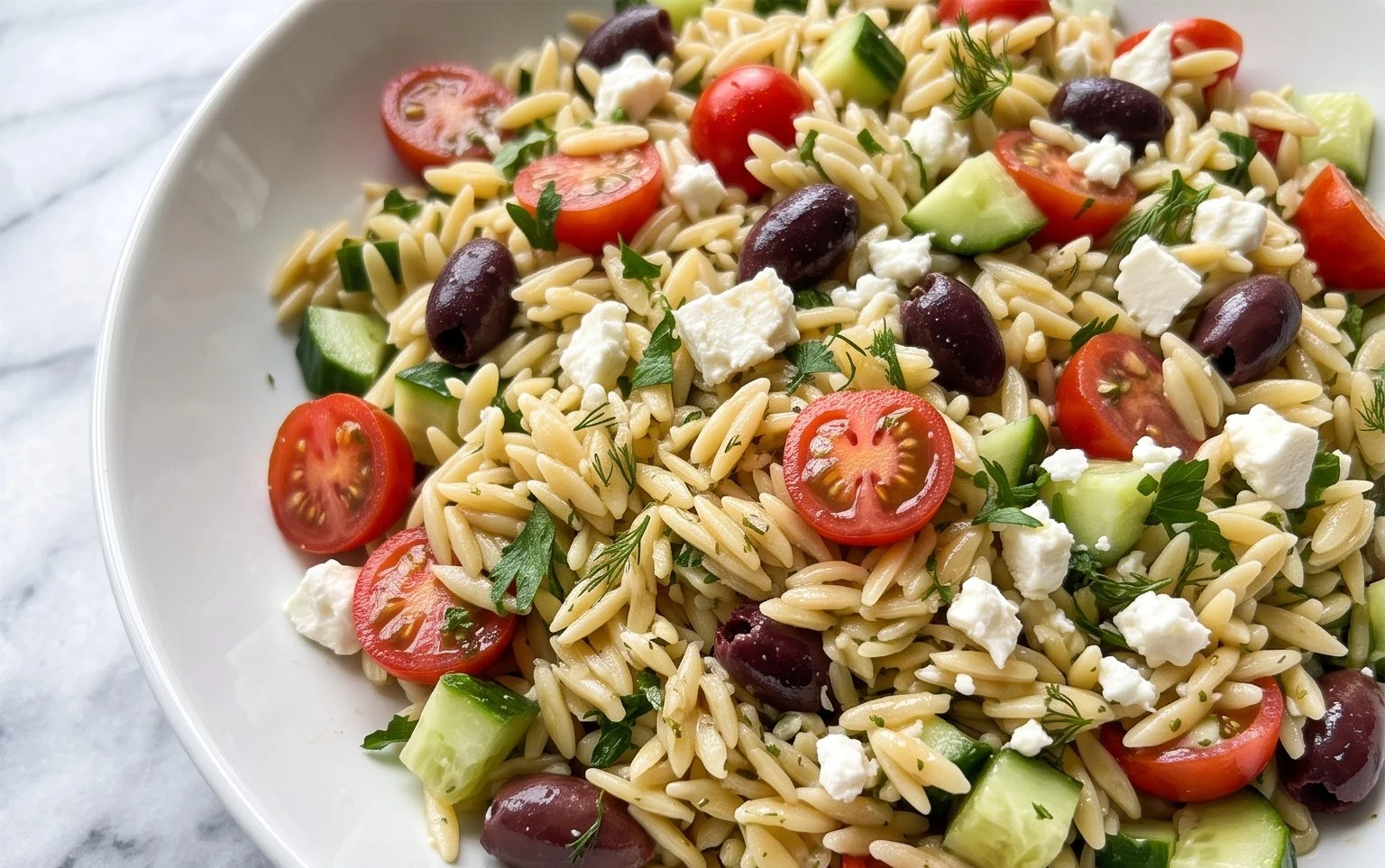
This Greek Orzo dish is a vibrant explosion of Mediterranean flavors, bringin extractg together the bright acidity of tomatoes, the briny punch of olives, and the creamy tang of feta. It’s a wonderfully versatile side dish or a light main course that comes together quickly, making it perfect for busy weeknights or casual gatherings. The star of the show, orzo, cooks up tender and absorbs all the delicious juices, creating a wonderfully satisfying texture.
Ingredients:
Cooking Instructions
Phase 1: Building the Flavor Base
First, let’s get our flavor base going. In a large skillet or pot, heat the 3 tablespoons of extra virgin extract olive oil over medium heat. Once the oil is shimmering, add the 1/4 teaspoon of smoked paprika and the 1/4 teaspoon of Italian seasoning. Stir them around for about 30 seconds until they become fragrant. This step helps to bloom the spices, releasing their full aroma and flavor into the oil. Be careful not to burn them, as this can make them bitter.
Next, add the 8 oz of cherry tomatoes, sliced in half, to the skillet. Cook them for about 5-7 minutes, stirring occasionally, until they begin extract to soften and release their juices. We want them to start breaking down a little, but not turn into complete mush. This will create a beautiful, slightly saucy base for our orzo. Stir in the 1/3 cup of chopped sun-dried tomatoes and cook for another minute, allowing their intense sweetness to meld with the cherry tomatoes.
Phase 2: Cooking the Orzo
-
1.5 cups orzo
-
3 cups chicken stock
-
8 oz cherry tomatoes, sliced in half
-
1/3 cup sun-dried tomatoes in olive oil, chopped
-
1/3 cup kalamata olives, sliced
-
1/4 cup green olives, sliced
-
6 oz feta cheese, crumbled
-
3 tablespoons lemon juice
-
3 tablespoons extra virgin olive oil
-
1/4 teaspoon smoked paprika
-
1/4 teaspoon Italian seasoning
-
1/4 cup fresh basil, chopped
-
salt and pepper to taste
-
Step 1
Cook the orzo according to package directions using chicken stock (or vegetable stock or water) instead of plain water. Drain and rinse with cold water. -
Step 2
In a large bowl, combine the cooked orzo, halved cherry tomatoes, chopped sun-dried tomatoes, sliced kalamata olives, and sliced green olives. -
Step 3
In a small bowl, whisk together the lemon juice, extra virgin olive oil, smoked paprika, and Italian seasoning. -
Step 4
Pour the dressing over the orzo mixture and toss to combine. Season with salt and pepper to taste. -
Step 5
Gently fold in the crumbled feta cheese and chopped fresh basil. -
Step 6
Serve immediately or chill for at least 30 minutes to allow the flavors to meld.
Now it’s time for the orzo. Pour in the 1.5 cups of orzo directly into the skillet with the softened tomatoes. Stir it around for about a minute to lightly toast the pasta. Toasting the orzo helps it maintain its shape and gives it a slightly nuttier flavor. Then, pour in the 3 cups of chicken stock (or your chosen liquid). Stir everything to combine, ensuring the orzo is submerged in the liquid.
Bring the mixture to a gentle simmer, then reduce the heat to low, cover the skillet, and cook for about 10-12 minutes, or until the orzo is al dente and most of the liquid has been absorbed. It’s important to stir occasionally to prevent the orzo from sticking to the bottom of the pan. If the orzo seems to be drying out before it’s cooked through, you can add a splash more stock or water. The goal is for the orzo to be tender but still have a slight bite to it.
Phase 3: Finishing Touches and Serving
Once the orzo is cooked to your liking and the liquid is mostly absorbed, remove the skillet from the heat. Stir in the 1/3 cup of sliced kalamata olives and the 1/4 cup of sliced green olives. The briny, salty notes from the olives will cut through the richness and add another layer of authentic Greek flavor. Next, gently fold in the 6 oz of feta cheese. The residual heat from the orzo will soften the feta, creating creamy pockets of deliciousness. Don’t overmix at this stage; we want some of those lovely feta crum extractbles to remain visible.
Finally, drizzle in the 3 tablespoons of freshly squeezed lemon juice and stir in the 1/4 cup of chopped fresh basil. The lemon juice provides a bright, zesty finish that really wakes up all the flavors. Taste and adjust seasoning with salt and pepper as needed. Remember that the olives and feta are already quite salty, so start with a small amount of salt and add more if necessary.
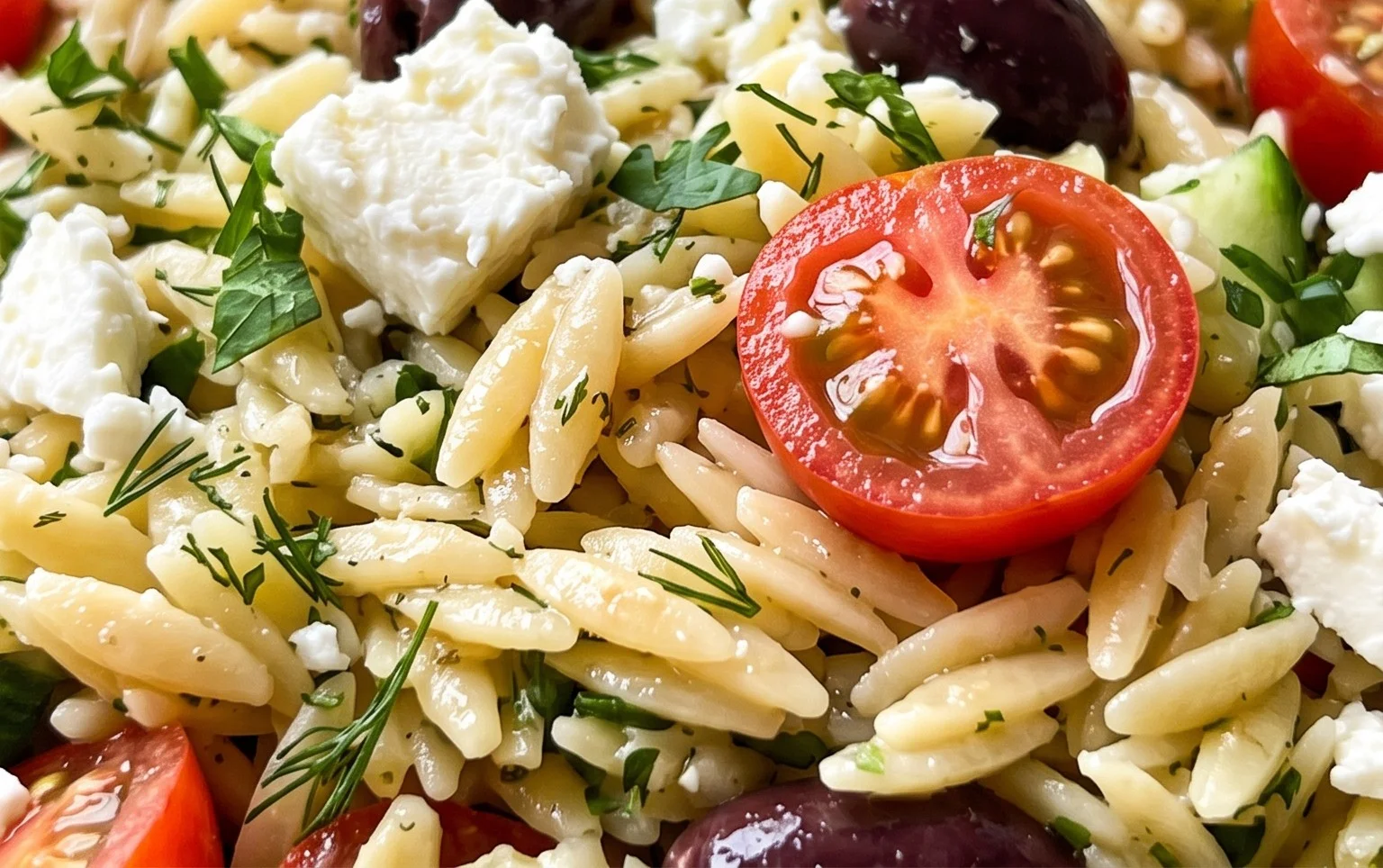
This Greek Orzo is best served warm, allowing the flavors to fully meld. It’s a fantastic accompaniment to grilled chicken or fish, or you can serve it as a vegetarian main course by adding some chickpeas or white beans along with the orzo. The combination of textures and tastes – the tender orzo, the bursting tomatoes, the salty olives, and the creamy feta – makes this dish truly irresistible. Enjoy this taste of Greece!
Conclusion:
I truly hope you’ve enjoyed learning about this vibrant and versatile Greek Orzo recipe! It’s a fantastic dish because it’s incredibly flavorful, coming together quickly for a weeknight meal, yet elegant enough for company. The combination of tender orzo pasta, bright lemon, fresh herbs, and salty feta creates a delightful Mediterranean symphony that is both satisfying and refreshing. I find it’s the perfect base for so many additions, making it a truly adaptable star in my kitchen.
This Greek Orzo is wonderful served as a standalone vegetarian main course, but it also shines brightly as a side dish. Imagin extracte it alongside grilled chicken or fish, or even as a hearty accompaniment to roasted vegetables. Don’t be afraid to experiment with variations! You can add Kalamata olives for an extra salty kick, sun-dried tomatoes for a deeper sweetness, or even a sprinkle of toasted pine nuts for added texture. I encourage you to gather your ingredients and give this delightful Greek Orzo a try soon. I’m confident you’ll love its simplicity and delicious results!
Frequently Asked Questions:
Can I make this Greek Orzo ahead of time?
Yes, absolutely! This Greek Orzo can be made a day in advance and stored in an airtight container in the refrigerator. You might need to add a splash of water or vegetable broth and gently reheat it on the stovetop or in the microwave to loosen the pasta. The flavors often meld beautifully overnight!
What other vegetables would work well in this recipe?
Many vegetables are fantastic additions to this Greek Orzo! Consider adding sautéed zucchini, bell peppers (red and yellow are particularly nice), chopped spinach wilted in at the end, or even some roasted cherry tomatoes. Artichoke hearts also add a lovely Mediterranean touch.
Is this recipe easily adaptable for dietary restrictions?
Certainly! For a dairy-free version, omit the feta cheese or substitute it with a vegan feta alternative. To make it gluten-free, simply use gluten-free orzo pasta. The base recipe is quite forgiving and adaptable to various needs.
Greek Orzo Salad
A vibrant and flavorful Greek-inspired orzo salad, perfect as a side dish or light main course. Features orzo pasta tossed with tomatoes, olives, feta, and a zesty lemon dressing.
Ingredients
Instructions
Important Information
Nutrition Facts (Per Serving)
It is important to consider this information as approximate and not to use it as definitive health advice.
Allergy Information
Please check ingredients for potential allergens and consult a health professional if in doubt.